Progress Ireland’s monthly happy hour takes place tonight, the last Wednesday of the month. It’s happening from 5:30 to 7:30 at The Duke, Duke Street, Dublin.
What do the ubiquitous and uniform bungalows of rural Ireland have in common with the Georgian streets and squares of Dublin? And what do both of these have in common with the housing policies of Canadian Prime Minister Mark Carney and the premier of New South Wales, Chris Minns?
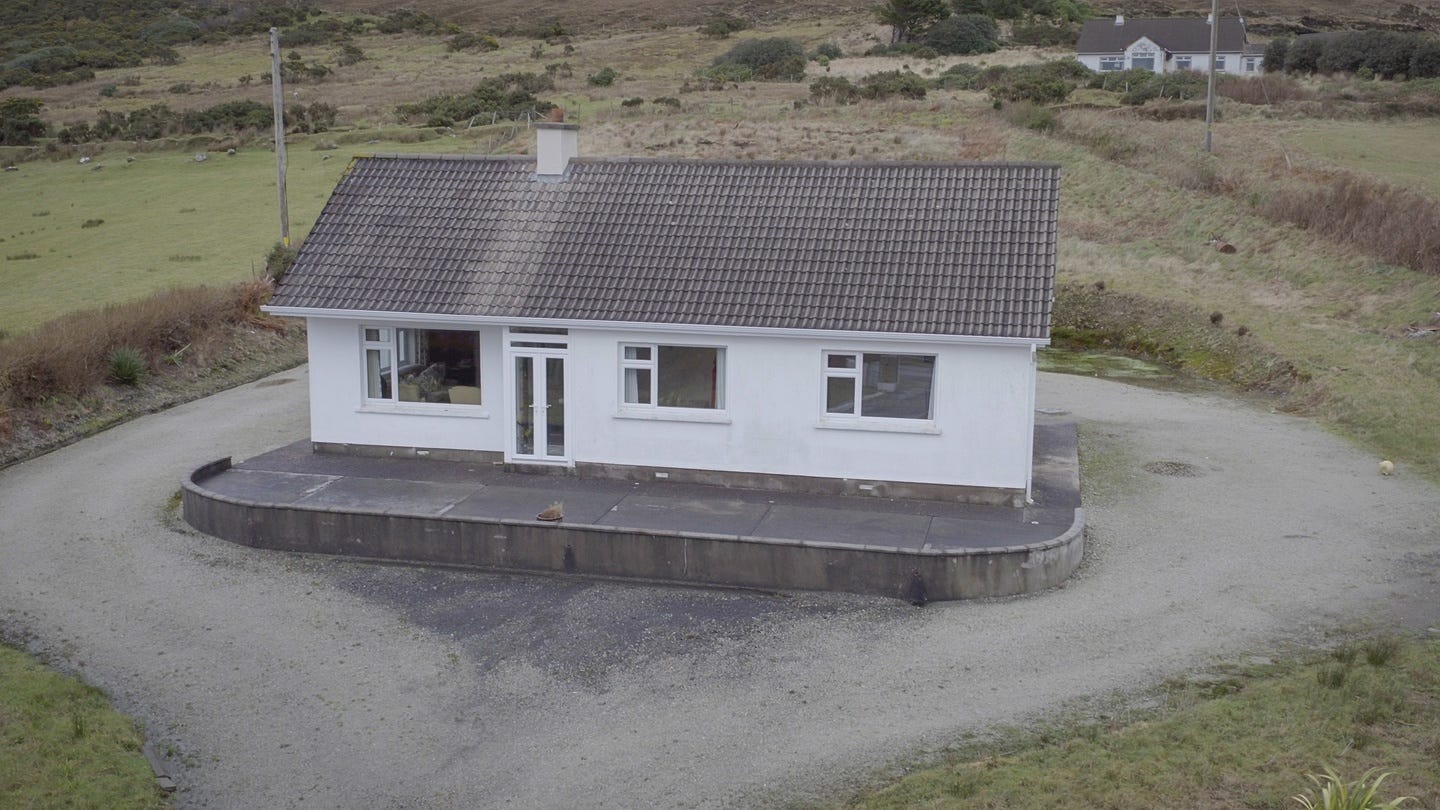
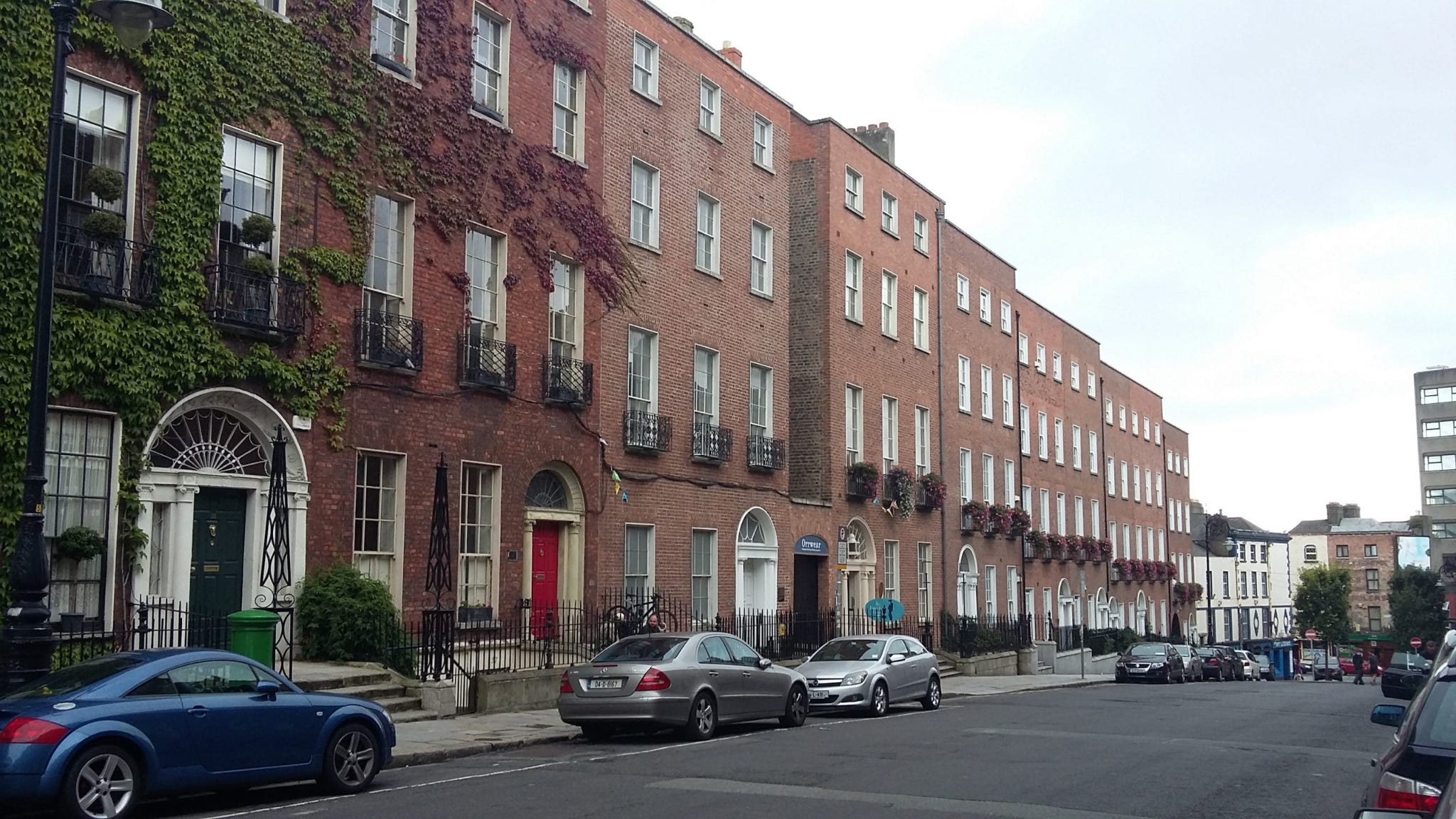
The answer is pattern books. A pattern book is like an architectural manual. It lays out in advance the design of buildings. The bungalows of rural Ireland and the historic terraces of Ireland’s cities were both built with the aid of pattern books. It may then be surprising to read that the leaders of Canada and New South Wales both regard pattern books as a means to boost housing supply.
Pattern books may seem like the sort of the thing that would only interest an architect. But the use of pattern books on a large scale could make for more plentiful, more affordable, and more beautiful homes.
The idea of pre-designing streets and buildings is an old one. The Roman architect, Vitruvius wrote about them in the first century B.C. Palladio’s 1570 Four Books of Architecture showed elegant villas palazzi in clear drawings that builders could copy. But pattern books have also been used in Ireland for hundreds of years.
What have pattern books ever done for me?
The first benefit of pattern books is beauty. Planned streets, the form of which is laid out in advance, are typically more beautiful.
Some of Ireland’s most beautiful streets owe their coherence to pattern books. North Great George’s St, along with some of the Victorian extensions to Dublin, in places like Rathmines, owe their beauty, in part, to the commonplace use of pattern books.
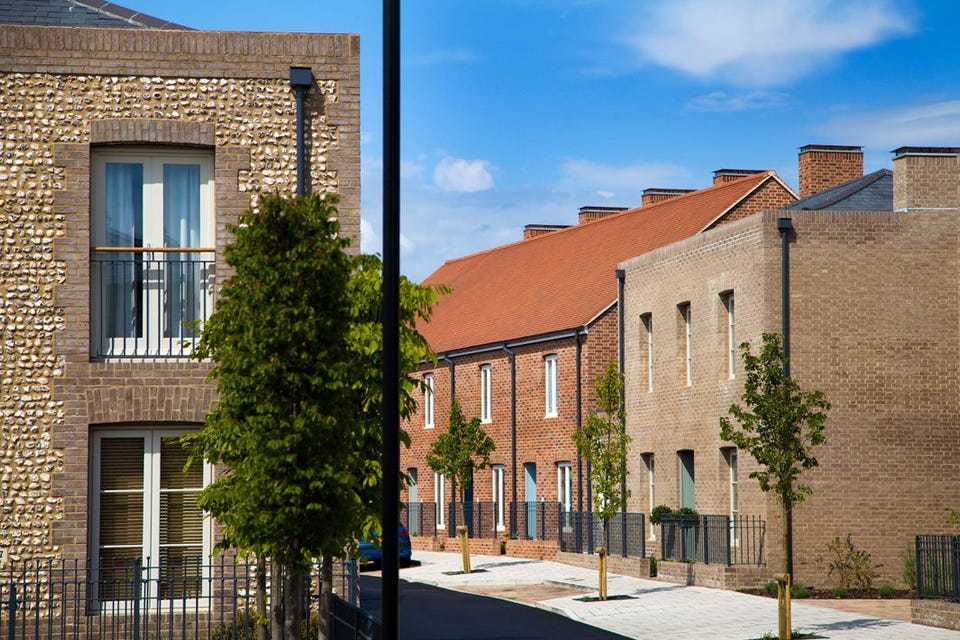
The reason pattern books make for beautiful streets is quite straightforward. Beautiful streets have many qualities. But a coherent streetscape is one. Below are example building designs from a pattern book by Create Streets.
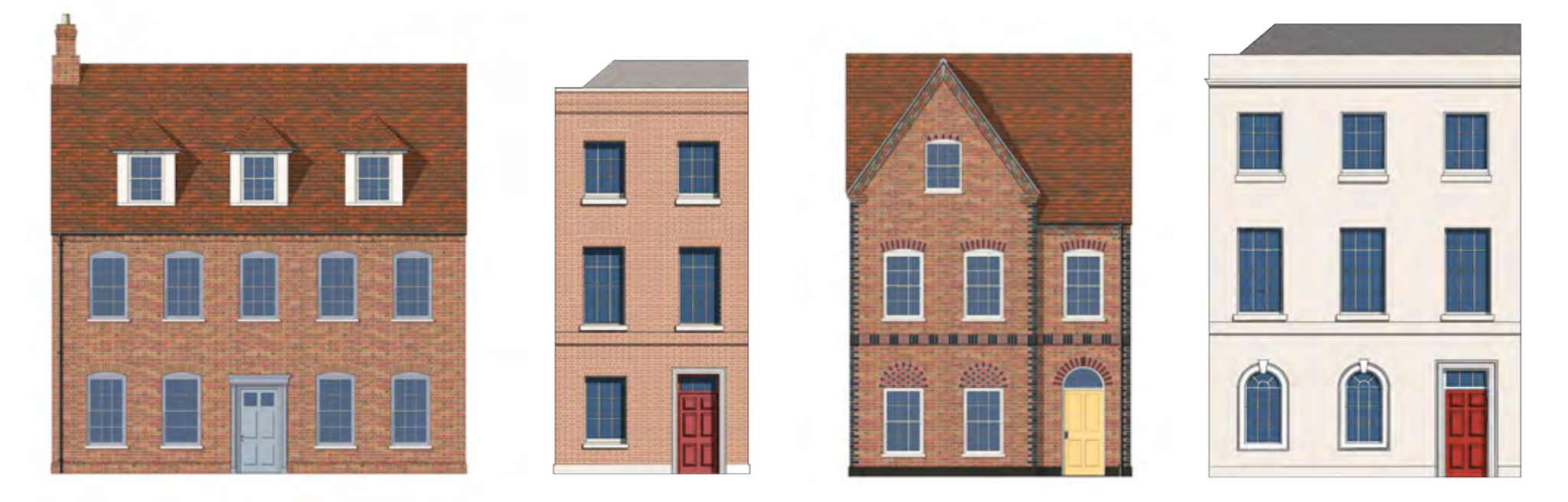
There are at least two ways to achieve a beautiful streetscape.
First is unified ownership. This point will be immediately obvious when walking around Dublin: many of the most beautiful streets were once owned by single families. Fitzwilliam square has a park partly thanks to unified ownership. The Fitzwilliams, owned adjoining properties, so had an inbuilt incentive to improve the general area through the creation of a park. This is what economists would call internalising the externalities. In general, it is easier to form a coherent and beautiful street when it is owned by a single owner.
But unified ownership is not now necessary, nor was it necessary in the Georgian period (though it was undoubtedly helpful). The pattern book itself, like a modern masterplan, operates as a proxy for unified ownership in one crucial respect: it provides a design with which structures on the street can conform. This is roughly how the Wide Streets Commission operated. In both cases, the results were pleasing streets which are still enjoyable today.
Pattern books are not just for looks (though it is easy to underestimate the importance of looks!) Their second benefit is that their replicable and simple designs help to achieve economies of scale.
For years, the Department of Education has used a repeatable school design. The policy is called the Generic Repeat Design (GRD) Schools Programme. Though the schools built under this policy were often ugly, they are often built fast and on budget.
Many of the bungalows that punctuate Ireland’s rural landscape are the product of Jack Fitzsimmon’s Bungalow Bliss pattern books. Fitzsimmon’s designs were cheap, replicable, and as a consequence, widely used. Across all of their editions, the manuals sold over a quarter of a million copies.
Pattern books have been useful in Ireland so far. They have helped deliver beautiful streets, replicable schools, and thousands of bungalows. But what relevance do pattern books have to modern housing policy?
Why Ireland should use pattern books
I have alluded to the first reason already and that is beauty. To my knowledge there has never been a large survey on attitudes toward late 20th and 21st century architecture in Ireland. But I suspect the attitudes would be largely negative. How would pattern books help?
Pattern books, like masterplans, give the public a chance to engage with design. Survey results from outside Ireland give me hope that public engagement in architecture will result in more beautiful buildings.
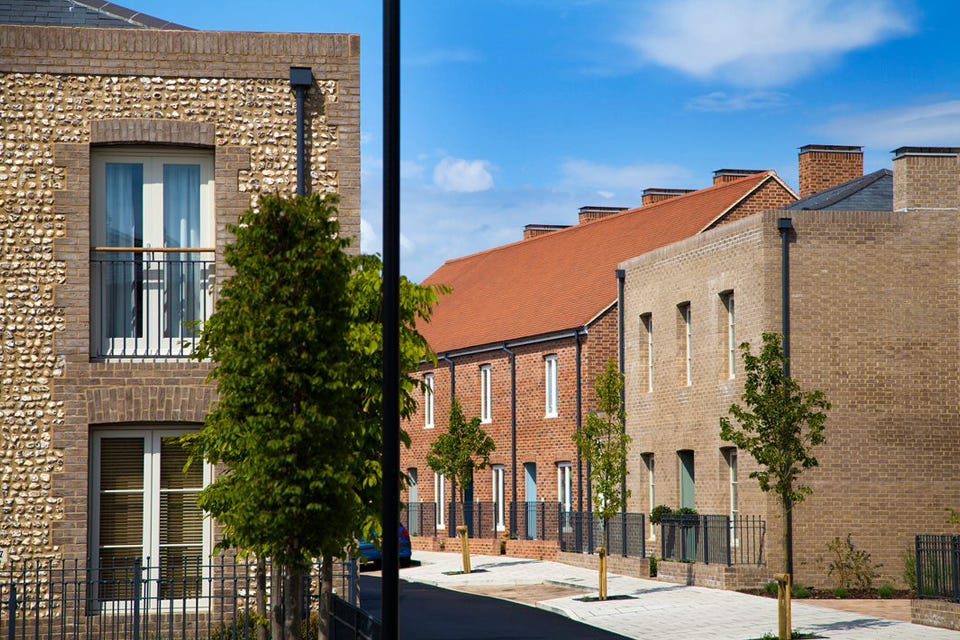
Secondly, pattern books, like masterplans, can speed up the delivery of new homes. There are at least three distinct mechanisms through which pattern books can be helpful.
First is cost. Simple and replicable designs can reduce costs. They can do this in three ways. They can reduce soft costs by providing design and technical assistance in advance. While design fees do not make up a huge proportion of development costs, the cost savings can be significant. In New South Wales, where premier Chris Minn has introduced pattern books, the government claims a cost saving of approximately $20,000 per project.
Second, and importantly, is speed and certainty. In Ireland, projects in masterplanned areas (SDZs) were activated seven months faster than normal projects, a 20 per cent reduction in delays. The certainty provided by “pre-approved” designs allows firms to get on with building.
The speed is gained, in part, by the certainty provided by the plan. As readers of Progress Ireland will know well, Ireland’s planning system does not lend itself to certainty. Pattern books, contained within broader master planned areas, would provide an additional dimension of certainty: the design of buildings would be ‘pre-approved’ within the plan.
And finally, public buy-in. An underrated reason why housing is sometimes unpopular with local residents is that modern housing is, often, unpleasant to be around. Pattern books would allow local buy-in to new homes.
The government has tried to be prescriptive about design. The Sustainable Residential Development and Compact Settlements Guidelines for Planning Authorities is a move in the right direction. But it does not achieve these three benefits of pattern books.
The Minister could issue a National Planning Statement setting out a pattern book for each of Ireland’s cities, providing options that local authorities can opt-into.
These pattern books would make development plans clearer and more specific. As I have argued for Progress Ireland before, specific planning rules help boost housing supply. But creating a set of pre-approved beautiful designs could help make housing cheaper, more plentiful, and more beautiful. It should be no surprise, then, that other countries have begun to adopt the idea. Today, I will talk about two examples: New South Wales and Canada.
Pattern books in Australia and Canada
In New South Wales, premier Chris Minns has introduced pattern books to give people “more choice, faster approvals, and affordable, high-quality homes.” The policy works through two mechanisms. First, it reduces design costs for small sites. And second, it reduces a fast-track permitting system. Both mechanisms are designed for small infill projects.
First, design costs. Minns’ government is temporarily subsidising the designs provided in the pattern books. Small developers wishing to build a midrise building in Sydney face design costs of about $20,000. If they use Minn’s pattern book, it will cost them $1.
Second, faster permitting. Minn’s government has introduced the Pattern Book Development Code 2025. That code allows development that employs the pattern book to enter into a fast track permitting system. The government aims to permit pattern book development within 10 days of application.
Minn’s pattern books are part of a broader plan to boost housing supply. That plan includes ADUs, minimum densities around high capacity transit (TOD), among other things. Similarly, in Canada, Prime Minister, Mark Carney’s plan to double the rate of construction includes the use of pattern books.
This month Carney has introduced a set of 50 standardised designs for new homes. There are a few differences between Minn’s and Carney’s approach, however.
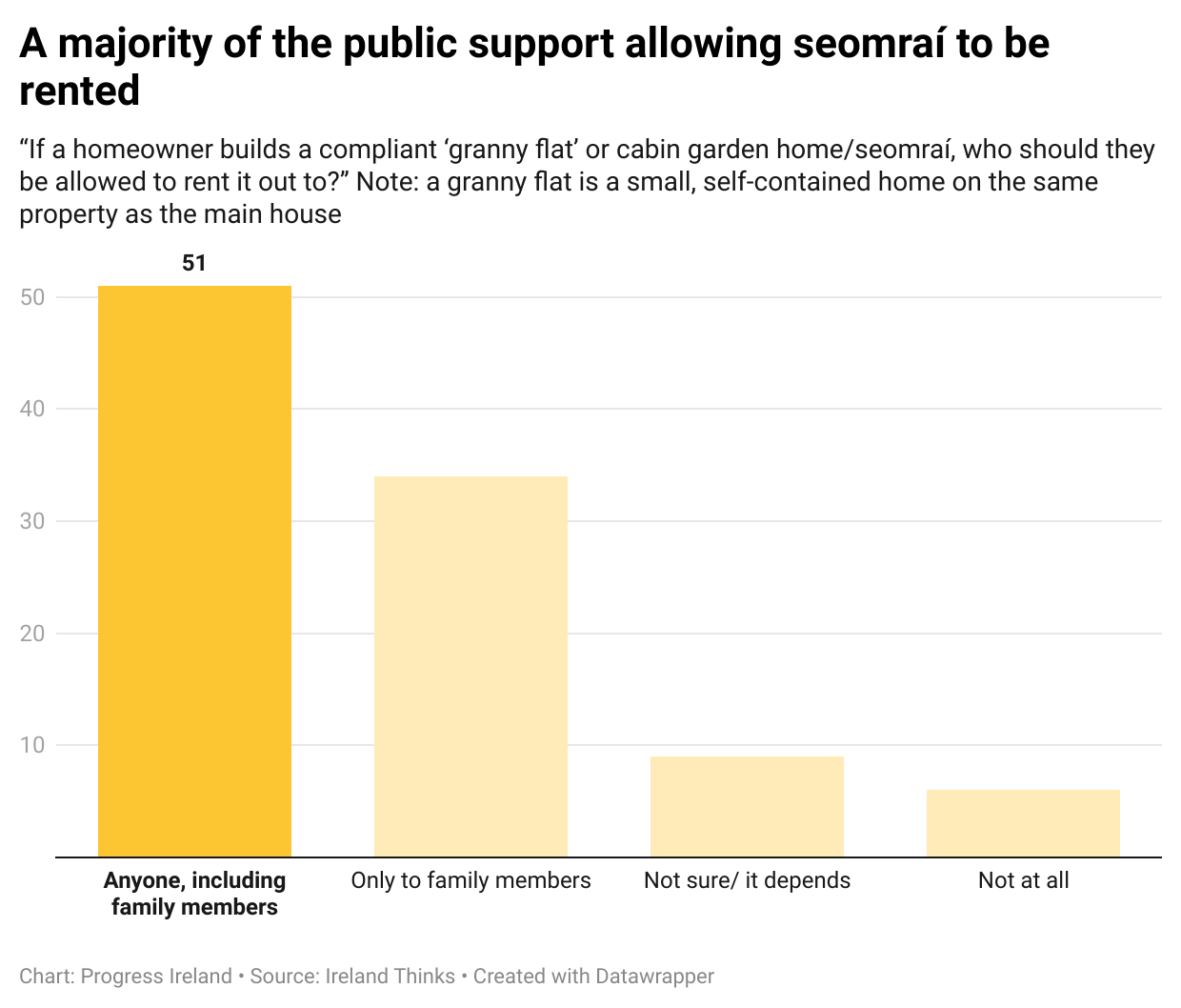
Where Minn’s pattern book applies to low and mid rise development, Carney’s designs span several kinds of home. Pattern books are available for ADUs (what we have been calling seomraí here in Ireland), rowhouses or mews, and multi-unit buildings, like duplexes, triplexes, sixplexes, and multiplexes. Carney’s pattern books are free to use indefinitely.
Unlike Minn’s pattern books, Carney’s pattern books don’t automatically mean fast tracked permits. Local governments in Canada are being asked to partner with Carney’s government and “pre-review” the designs provided in the pattern book. In practice, this is intended to work as a fast track by restricting any review to site-specific issues.
Pattern books are not limited to these jurisdictions, of course. Closer to home, the UK’s Office for Place (now part of the Ministry of Housing, Communities and Local Government) created model pattern books that local authorities could adapt to their own purposes.
We have had great success with pattern books in the past. Cheap, replicable, and sometimes beautiful designs have delivered Georgian squares, Victorian suburbs, local schools, and bungalows that are home to thousands in rural Ireland. To unlock beautiful and plentiful homes, Ireland should consider learning from these successes.